Final mile delivery feels simple on the surface. A package leaves a local hub, lands on a doorstep, and life moves on. Anyone who manages it knows better. The last leg is where weather, traffic, missing gate codes, temperature control, and mismatched expectations collide. Communication, not trucks or tech stacks, decides whether the day ends with a five-star review or a chargeback. The right words, at the right time, paired with the right data flow, reduce misses, limit redeliveries, and protect thin margins.
I’ve spent years working with carriers and shippers, including temperature-controlled storage operators, to tighten the loop between warehouse, driver, and recipient. The patterns are consistent across markets, from dense urban routes to sprawling service areas like San Antonio. What follows is a practical playbook, built from that field experience, for communications that actually move the needle.
Why communication breaks in the last mile
The roots are mundane. Systems that don’t talk to each other. Order data missing critical fields. Drivers juggling six apps. Dispatchers buried under status calls. Customers who have no idea how freight moves. It takes only one failure to knock a window out of alignment. A customer who hears nothing will assume the worst, often rightly so.
Add specialized requirements, like refrigerated storage or cross-docking, and the risk multiplies. A carton of vaccine with a 2 to 8 Celsius tolerance has a different communications burden than a bookshelf. Customers do not care that you had a cross dock warehouse constraint upstream. They care that you told them what would happen, then kept your word.
What excellent looks like
Excellent final mile communication has three traits: it is anticipatory, specific, and two-way. Anticipatory means it reaches the customer before they wonder. Specific means times, names, and actions, not vague ranges or corporate boilerplate. Two-way means customers can tell you what you need to know to succeed, and that their input actually routes to the person who can act on it.
On a Tuesday morning route in San Antonio, that might look like this: the system texts Maria at 8:05 with a two-hour window and a link to update instructions. She adds “gate on Navarro needs code 0219, call if stuck.” Dispatch sees the update, and the driver’s app pins it to the stop. A thunderstorm forms over Loop 410, so the ETA shifts. The customer receives a 30-minute adjustment before the traffic jam becomes visible on their map. The driver snaps a photo at drop-off, temperature reading included for her refrigerated storage order, and the POD arrives by email instantly. No surprises, no long calls, no second truck roll.
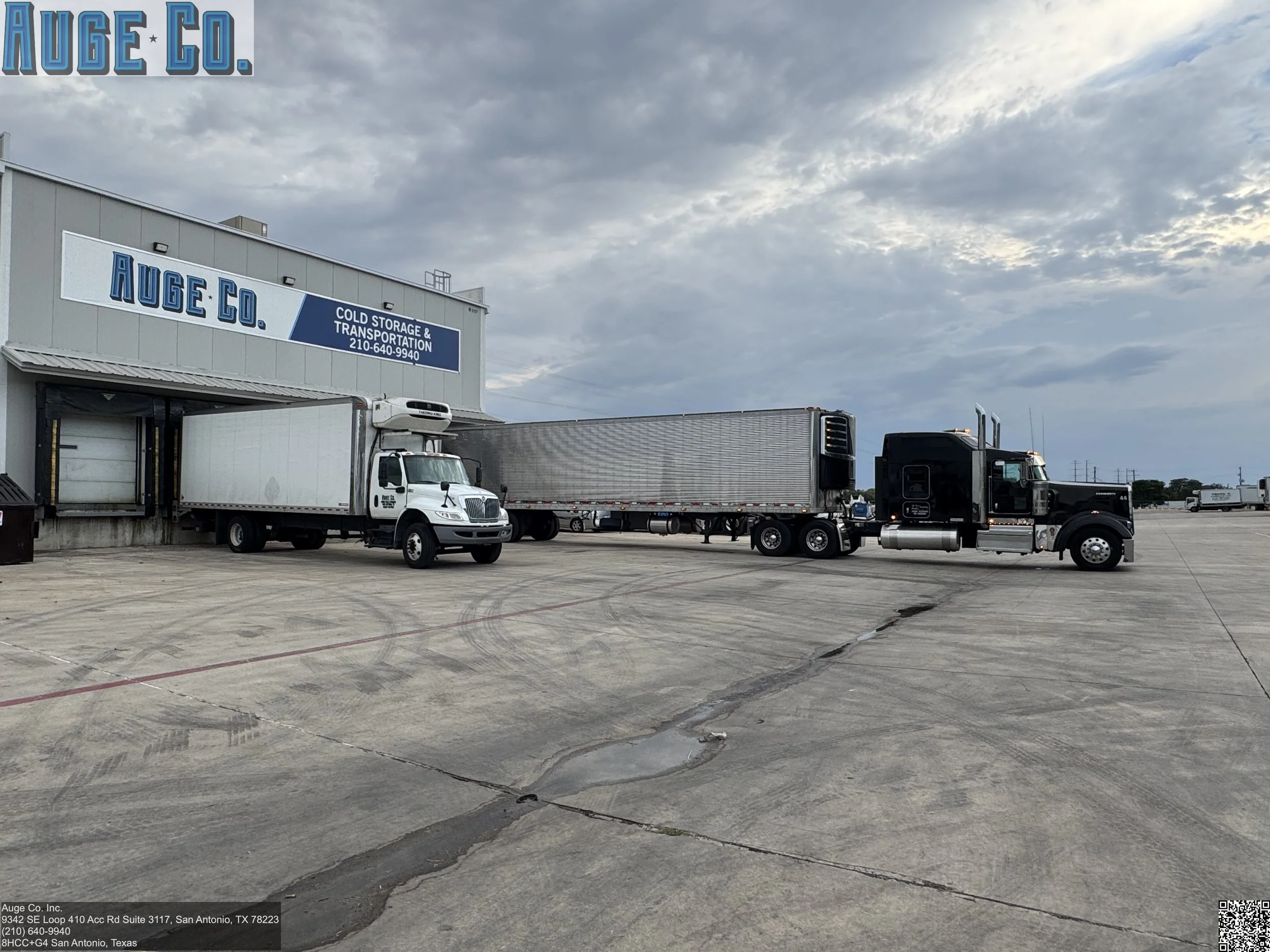
Core building blocks of a clear communication program
Clear communication starts with clean data. The best software cannot rescue missing phone numbers or incorrect addresses. Before the route begins, your order capture flow must collect and verify cell numbers, emails, entrance details, and contact preferences. When a customer chooses SMS, your system should confirm the number with a quick opt-in ping. For delivery points that rely on temperature-controlled storage or specialized handling, gather constraints up front: maximum pallet height, dock hours, do-not-ship dates, required temperature band, and who signs.
Once you trust the data, lock in the moments that matter. Most operations benefit from five checkpoints: order confirmation, window confirmation, out-for-delivery, exception, and proof-of-delivery. Each needs to be concise, timely, and consistent. A shorter cadence will frustrate customers who feel spammed. A longer cadence leaves gaps that cause tickets.
The final piece is routing replies. Do not send from a no-reply channel and expect a happy outcome. When a customer texts “I’m out, leave at side porch,” the message must land with the dispatcher and the driver, not disappear into a black hole or a general inbox.
Avoid the curse of vague windows
“Between 8 and 6” reads like you do not value a person’s time. Your operations might rely on that level of flexibility, especially with unpredictable cross-docking or peak surges, but you can still carve a more respectful message. Start with a two or three-hour window based on route refrigerated storage San Antonio TX density, then update dynamically as the run unfolds. Share the driver’s current stop number and the number of stops ahead. Concrete context beats a moving progress bar with no meaning.
If you work in a market where routes can shift fast, say San Antonio after a hailstorm, build a rule: no customer goes more than 90 minutes without an updated ETA once the truck is rolling. If your tech cannot automate that, give dispatch a batch-update tool and a tight playbook.
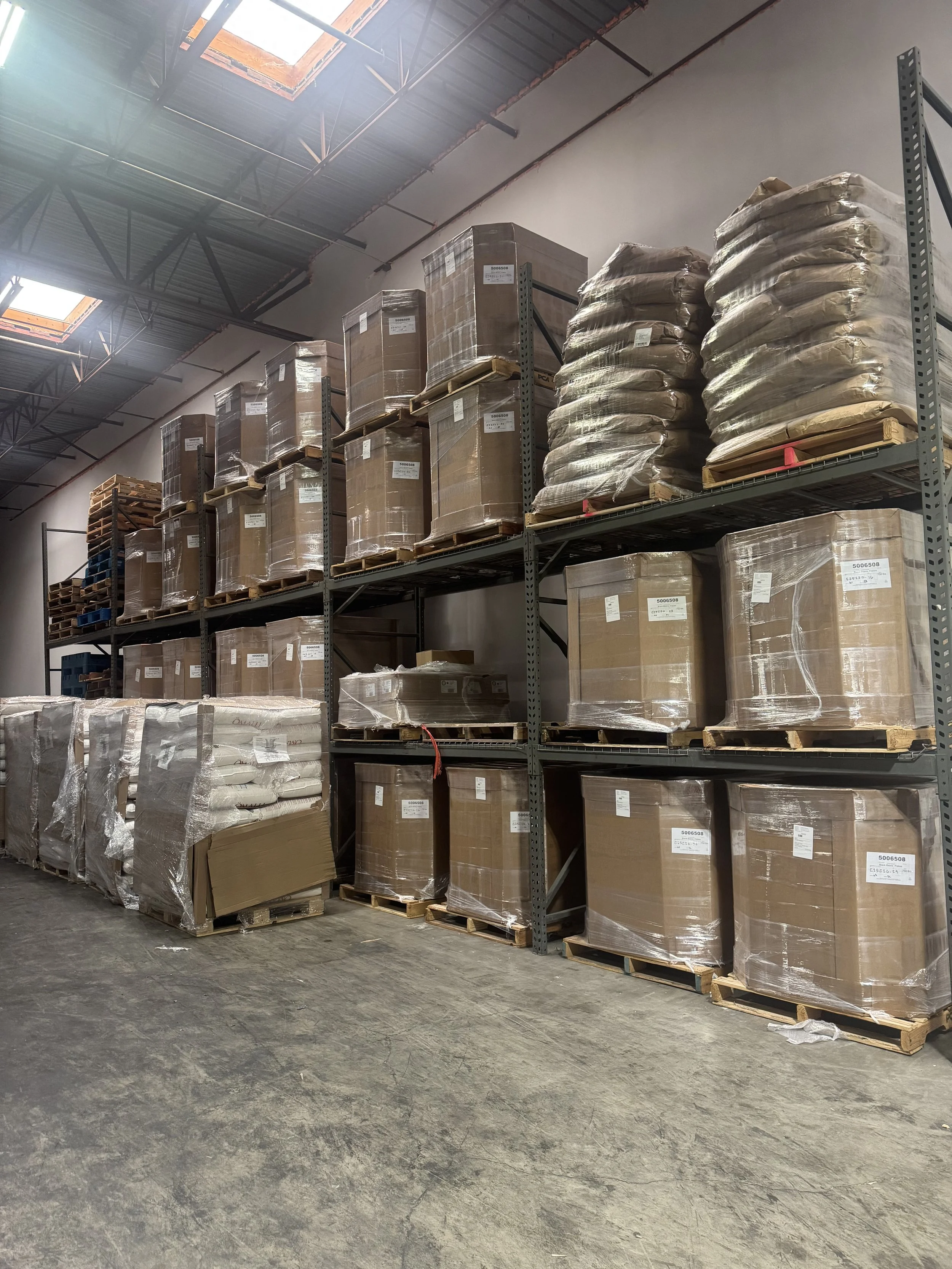
The special case of temperature-controlled deliveries
Communicating temperature-controlled deliveries requires extra precision. Customers ordering from cold storage or a refrigerated storage provider need to know two things beyond time: how the product will be protected, and how temperature will be verified. I have seen plenty of deliveries go sideways because no one told the receiving clerk whether dry ice, eutectic plates, or active refrigeration would be present, or what to look for on arrival.
When a shipper draws inventory from a cold storage warehouse, the chain of communication should include the pickup temperature, the acceptable range, and who owns the risk if a delay occurs at the cross dock. For shipments out of a cold storage facilities San Antonio network, tie messages to the facility’s dock schedule. A simple sentence that “unit will remain in temperature-controlled storage until 30 minutes before loading” reduces anxiety and needless check-in calls.
On the other end, provide proof. A temperature strip photo next to the product label, plus a timestamp, closes the loop. If the load originated from temperature-controlled storage San Antonio TX or a refrigerated storage San Antonio TX vendor, surface that in the POD so the recipient can store back into compatible space without guesswork.
How cross-docking changes the script
Cross-docking can shorten transit but introduces a communication seam. A carton may land at a cross dock warehouse at 7 a.m., transfer to a local route by 9, then deliver at noon. If I had a dollar for every time a system showed “arrived local hub” with no context and left a customer refreshing their screen for hours, I could buy a pallet jack for each dock door.
Treat the cross dock as a named checkpoint. If you operate a cross dock warehouse San Antonio, say so. “Arrived at cross dock San Antonio TX, moving to local route” gives the recipient a sense of progress. I have also seen specific local phrases help. When customers search “cross dock near me,” they want to know the parcel is actually in their metro, not in a regional center across the state.
Communicate risk at the seam. Pallet rebuilds, relabeling, or mismatch between inbound and outbound equipment can slip ETA by a small margin. A short alert that says “handing off to final mile delivery services team, ETA 12:30 to 2:30” goes a long way.
Training drivers to be communicators
Drivers are the last brand touchpoint. Equip them to communicate clearly and briefly, then get out of their way. The worst thing you can do is dump a policy manual that no one has time to read. What works is a three-part script: how to reach a customer, what to say if the clock is slipping, and how to document where and how the item was left.
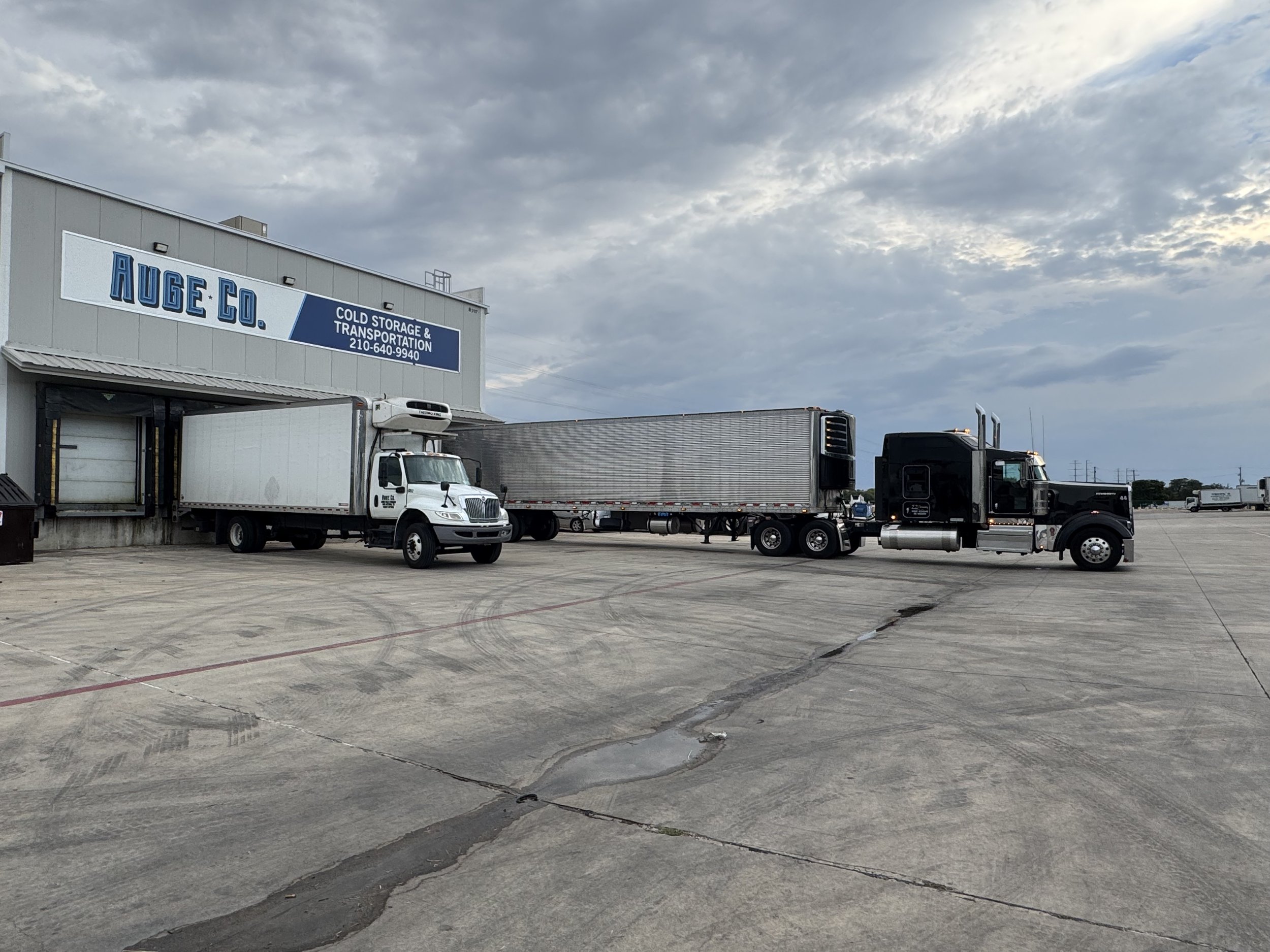
On a typical day, drivers should have two built-in moves. First, a pre-arrival ping at 10 to 15 minutes out when the stop requires a signature or has access restrictions. Second, a courtesy photo and message after delivery that avoids any sensitive details in the frame. If the freight is perishable, they should capture the probe or indicator. On routes serving customers who regularly ask about “cold storage near me” options, drivers can carry a one-sheet that explains acceptable short-term holding conditions if someone wants to delay unboxing.
Phones are a tricky area. You want drivers calling when needed, but not losing 30 minutes at one stop talking through delivery preferences. A concise voicemail script prevents rambling and reduces back-and-forth:
“Hi, this is Tony with final mile delivery services, I’m 10 minutes out with your order. I’m looking for the Navarro Street gate, code 0219. If anything has changed, please text this number. Otherwise, I’ll deliver to your side porch.”
It sounds basic, and it works. Your NPS will show it.
When and how to own delays
Delays are inevitable. A forklift goes down at the cross dock warehouse near me. A receiving clerk at a temperature-controlled storage site takes lunch early. A thunderstorm ruins the timing on the north side. The best practice is to acknowledge the delay before the customer notices, give a realistic new time, and offer a choice.
Choice matters. If a delivery cannot make the window, offer a late-day alternative, a next-day slot with a preferred time, or a pickup option at your facility. I have seen a three-line message save entire days of dispatch drama:
“We’re running behind due to weather on Loop 410. We can still deliver today between 5:30 and 7:00, or we can shift you to tomorrow morning 8:00 to 10:00. Reply A for today, B for tomorrow.”
If the item needs temperature control, spell out product safety steps. “Your order remains in refrigerated storage at 3 to 5 C, safe for delivery tomorrow. If you prefer same-day, reply A.”
Customers who see you protect product integrity will forgive a slip. Customers who feel blindsided will not.
Choosing the right channels
Text messages convert fastest. Emails are better for receipts, PDFs, or instructions with images. Calls are last resort when a driver cannot access the property. Push notifications work only if your app is installed and permissions are tight.
For regulated deliveries, such as medical or food products, emails with verification details often help audits later. If you run final mile delivery services San Antonio TX for pharmacy clients, archive the temperature checks and the chain of custody, then surface a link to those records in the confirmation email. A pared-down mobile view matters for recipients who stand in a loading bay with gloves on.
Do not overuse all channels at once. A typical sequence: SMS for time-sensitive updates, email for confirmation and POD, call only when a delivery cannot proceed.
The power of plain language
Most status messages drift into jargon. “Consignment loaded to route vehicle” says nothing to a busy parent or a facilities manager. “Your package is on the truck and expected 1:30 to 3:30” works better. If a cross-docking step is occurring, a short line that says “handing off at our cross dock warehouse in San Antonio, next update in 45 minutes” keeps it clear.
Avoid absolutes unless you control them. “Guaranteed before noon” turns into a refund during a freeway closure. “Targeting before noon, currently on track” leaves room to adjust without looking slippery.
Setting expectations for specialized locations
Gated communities, hospitals, universities, and industrial parks eat time. You can either let them surprise you daily or teach your customers what information you need. For large campuses, ask for building, floor, suite, and a reachable contact. For hospitals, clarify loading dock policies and specimen handling rules. If a customer uses a cold storage warehouse near me to hold inventory, work out dock appointment process and leverage their ASN workflows so your messages align with theirs.
When serving restaurants and groceries, align with their prep rhythms. Many will want temperature-controlled storage deliveries before lunch or after dinner rush. Calling a chef at 11:45 about a gate code will not win fans. Early-morning windows paired with a reliable pre-call solve most problems.
Integrating with warehouses and hubs
The smoothest communications happen when warehouse updates feed directly into customer messaging. If your cross-dock team scans inbound pallets at 7:04, your system should trigger an “arrived local hub” event and predict the earliest possible route start. For cold storage San Antonio TX operations, the WMS can append the product temperature on exit and push a flag to the TMS so the driver app knows to capture the reading at delivery.
Integration also prevents handoffs from losing context. A purchase order might show “keep refrigerated” in bold, but if that tag never reaches the driver’s stop notes, someone will leave a case on a 95-degree porch. Close the loop: WMS to TMS to driver to customer. If your tech stack is uneven, a simple shared field like “Special Instructions” synced across systems will carry more value than a dozen unlinked tags.
Handling fragile and high-value items
White-glove deliveries involve longer dwell and more potential for miscommunication. Book a longer window and say so. Tell the customer what your crew will do and what they will not do. Disassembling a bed frame might be fine, drilling into walls probably is not. When I managed a team delivering medical freezers, we learned to spell out the sequence: arrival, inspection, placement, leveling, temperature verification, and sign-off. Patients and clinics react better when they recognize the steps.
For high-value items, offer video call verification at handoff, especially if the recipient is remote. A 2-minute FaceTime saves a return trip and a warranty dispute. Where refrigerated storage is involved, a brief on-site log sheet showing temperature at pickup, drop-off, and elapsed time helps auditors and satisfies cautious clients.
Respecting privacy and compliance
SMS rules are real. Get consent, provide opt-out language, and mind quiet hours if you operate nationally. HIPAA and similar protections apply for medical items. Do not put diagnosis information in a text. For alcohol or age-restricted goods, texts should remind the customer to have ID ready without storing anything sensitive.
If you carry food or pharma, keep communications about temperature verifications factual. “Measured 4 C at 2:14 pm, within 2 to 8 C spec” is precise and safe. Avoid promises that exceed your monitoring capability. If you lack real-time telemetry, do not claim continuous monitoring. Use phrases like “packaged with 48-hour refrigerant, validated for this route.”
Measuring what matters
You cannot improve what you do not track. The core metrics I look at are contactability rate, accurate phone/email rate, first-attempt success, window adherence, exception response time, and customer effort score. If you run a cross dock near me model with many short hauls, measure scan-to-out-for-delivery lag at the hub. For cold chain, track percentage of PODs with temperature evidence attached.
Benchmarks vary by product and market. As a rule of thumb, final mile operations that contact 96 percent of recipients successfully and keep window adherence above 90 percent see dramatically fewer redeliveries. Exception response times under 15 minutes correlate with higher satisfaction even when the delivery runs late.
Operational realities that shape communications
Seasonality changes customer patience. During peak holidays, people expect noise. In August heat, a missed refrigerated storage drop can spoil inventory and a relationship. Weather alert days require more preemptive messaging. Construction in the San Antonio core has bitten more than one route, and your customer won’t know it unless you say so.
Staffing also matters. If you stretch routes thin, you will be tempted to shrink pre-calls. Resist that. A 20-second message that clears a gate saves 10 minutes. Ten of those in a day turns into an extra hour, which turns into hitting all your windows. Train dispatchers to scan exceptions aggressively at 10 a.m. and 2 p.m. Those are the pivot points that decide whether a late wave collapses or recovers.
Leveraging local context without oversharing
Local references help customers trust you. If you operate final mile delivery services in San Antonio TX, naming the area, traffic patterns, or familiar cross docks can make messages feel grounded. Just avoid overloading the customer with logistics trivia. “We’re staging at our cross dock warehouse San Antonio and will depart in 30 minutes” says enough. They do not need an internal door number.
For customers searching “cold storage San Antonio TX,” a simple note in your site content and confirmation emails that you partner with temperature-controlled storage providers in the area can capture demand without stuffing keywords where they do not belong. Let your proof-of-delivery and reliability do the heavy lifting.
A practical messaging flow that works
- Order confirmation: Trigger within one minute of order submission. Thank the customer, confirm the requested date, and provide a link to add delivery instructions and access details. Window confirmation: Send the afternoon before or by 8 a.m. with a two to three-hour window, plus a link to live tracking. Prompt for signature requirement and any temperature or handling notes. Out-for-delivery: Fire when the truck leaves the hub or cross dock. Include stop number, current ETA range, and the driver’s first name. Exception management: If the ETA shifts by more than 30 minutes, send an update and offer a choice if the window will be missed. For cold chain, include product safety language. Proof-of-delivery: Send immediately with photos and any temperature readings, plus next steps if something needs attention.
The quiet details that lower costs
Good communication saves fuel and labor in ways that do not show on a daily report. Fewer second attempts, fewer gate loops, fewer “where is my order” calls that interrupt dispatch. On a 120-stop day, shaving two minutes from 40 stops adds an extra route’s worth of capacity over a week. With cross-docking in the mix, precision at the seam prevents rework and duplicated scans. For cold chain, avoiding a single spoilage event pays for months of better messaging.
I remember a healthcare client who kept losing an hour every Thursday at a hospital dock. We changed one message to say “Please have unit manager present for temperature verification” and shifted their window from 1 to 3 p.m. to 9 to 11 a.m. The dock team adjusted, the manager was available, and the “dock hold” notes vanished. The fix was a sentence and a schedule change. Nothing about trucks or software.
Scaling without losing the human touch
As you grow, personal calls do not scale. That does not mean your messages must feel robotic. Use names. Stay conversational. Remove filler adjectives. Offer real choices. And when a situation truly needs a human, make it easy to reach one. A direct callback link to the dispatcher handling that route works better than a general hotline. If you rely on a centralized customer care team, arm them with live route data rather than making them call dispatch for every question.
A final point on culture: treat communications ownership as a cross-functional job. Dispatch writes the status rules, drivers refine the on-the-ground script, warehouse teams provide upstream timestamps, and customer service tunes the tone. When communications live only with marketing or only with IT, the gaps show up on the doorstep.
Where facilities and services meet expectations
A strong final mile program is easier when the upstream network is solid. If you maintain a presence across cold storage warehouses, cross-docking hubs, and temperature-controlled storage, your messaging can promise what your network can deliver. Whether customers search “cross dock warehouse near me” or “refrigerated storage near me,” their expectations are simple: clear windows, safe handling, and proof they can trust. Your communications are the thread that ties those elements together.
In markets like San Antonio, with broad geography and microclimates, the basics matter more. Share the window with confidence, keep your exception playbook tight, and respect what customers tell you. When you deliver a carton, a freezer, or a family’s groceries, the logistics may be complex, but the feeling you’re aiming for is simple. They should think, that was easy, and I knew what was happening every step of the way.
Auge Co. Inc. 9342 SE Loop 410 Acc Rd Suite 3117, San Antonio, TX 78223 (210) 640-9940 8HCC+G4 San Antonio, Texas