San Antonio is better known for brisket and biotech than for blast freezers, yet the city’s food sector increasingly relies on refrigerated space to meet growth targets, comply with safety codes, and serve a fast-moving Southwest distribution network. I have worked with brands that move salsa base, poultry, confectionery inclusions, and ready-to-eat meals through the region. When margins hang on a few cents per pound, the way you select and operate cold storage can erase or create profit. This case study traces how three food manufacturers in the San Antonio area tackled cold chain questions, why certain choices worked, and where hidden costs lurked.
Why cold storage matters more in San Antonio than the map suggests
San Antonio sits at a logistics crossroads. I‑10 ties the city to Houston and the Gulf, I‑35 links to Austin and Dallas, and Laredo funnels cross-border freight from Mexico. Temperatures swing from humid 100-degree afternoons to chilly, dry mornings. That volatility hits loading docks, seals, and compressor cycles harder than many expect. A facility that performs fine in mild climates can struggle here, especially during May through September when dock heat drives evaporators toward longer run times and higher defrost cycles. Food manufacturers feel these conditions as spoilage risk, rework, and late trucks.
Demand patterns complicate it further. Regional grocers and foodservice distributors tend to order smaller, more frequent drops, pushing manufacturers to hold inventory in the city rather than ship long-haul to distant hubs. The practical result is a stronger market for temperature-controlled storage in and around San Antonio, with more operators advertising cold storage San Antonio TX, refrigerated storage San Antonio TX, and temperature-controlled storage San Antonio TX. That competition helps, but matching a site to the flow of your product takes more than a quick search for cold storage near me.
A note on facility types in the market
When teams say cold storage, they usually mean any space that sits below ambient, but the specs matter. The local mix includes high-bay, multi-tenant cold storage warehouses, smaller dock-high boxes inside larger campuses, and a handful of purpose-built blast rooms attached to processors. Temperature zones generally segment into frozen, chill, and cool:
- Frozen at minus 10 to 0 Fahrenheit for bulk proteins, ice cream, and frozen bakery. Chill at 33 to 36 for produce and fresh meat primals. Cool at 38 to 45 for dairy, beverages, and stabilized sauces.
Most cold storage facilities in the area advertise all three. What varies is usable pallet count, real throughput capacity, number of refrigerated dock positions, and whether the operator can flex labor for case picking. In my experience, published pallet counts can overstate what you can actually use by 10 to 20 percent once you factor in honeycombing, aisle widths, and blocked slots for airflow. A walk-through with a tape measure and a clear SKU map saves headaches.
Case study 1: A salsa manufacturer confronts growth and capex limits
A mid-sized salsa and queso producer moved from a 30,000-square-foot plant on the city’s West Side into a larger site near Loop 410. Seasonal demand spikes around football season and holidays pushed their cooler to the edge, leading to out-of-stocks and emergency runs to regional DCs. The management team debated whether to expand their in-house cooler or lease space in a cold storage warehouse San Antonio TX could offer immediately.
Their process flow mattered. Cooked product cooled to 38 degrees, held for two days of QA release, then shipped. The team only needed cool temps, not frozen or blast, and had roughly 120 active pallets during peak weeks, with turns at six to eight days. They toured three facilities marketed as refrigerated storage and temperature-controlled storage, each within a 30-minute drive.
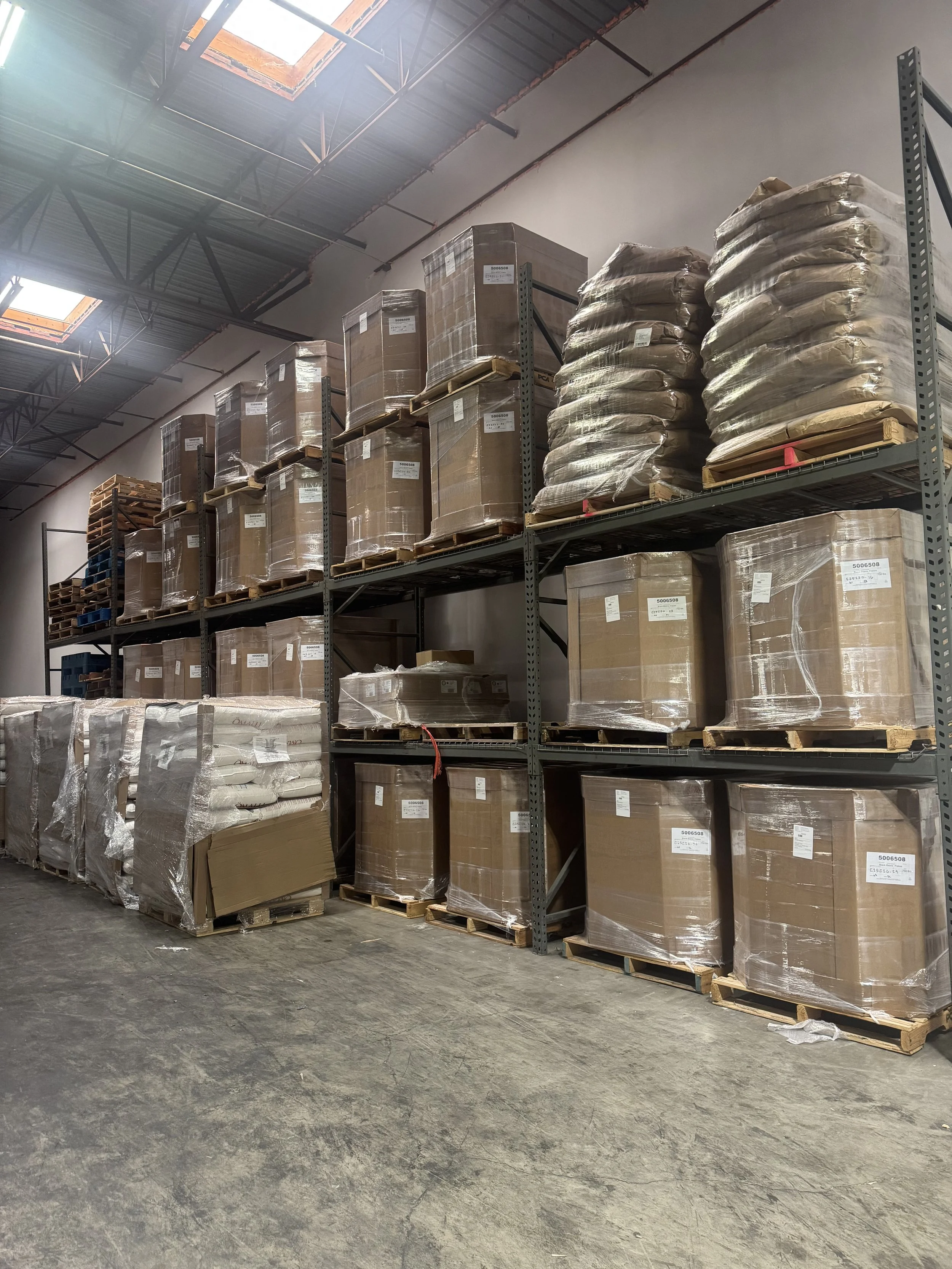
The operator they chose offered a 34-degree cool room with five dedicated bays for high-turn SKUs and a 12-pallet staging zone connected directly to a refrigerated dock. They signed for 150 pallets with a min-max billing band and a throughput fee tied to case picks above a monthly threshold. That pricing detail was critical. Their business mixed full-pallet loads to distributors with frequent case picks to local grocers. Many cold storage warehouse contracts in the region still focus on pallet in/pallet out. Case-level fees can pile up.
The first quarter brought a fix and a surprise. Product held temperature, QA release stayed predictable, and distributor service levels improved from 93 percent to 97.5 percent. Freight cost per case dropped 4 percent, largely because they consolidated loads better with the warehouse’s WMS. However, they missed the case pick estimate. Instead of 2,000 cases per month, they ran closer to 3,100, adding about 0.08 dollars per case above plan. The lesson was simple: use historical order detail, not gut feel, when you negotiate. San Antonio’s denser pattern of nearby grocer DCs invites case-pick creep, and recounting those orders across the prior year would have led to a lower per-case rate or a tiered schedule.
Operationally, the warehouse’s dock configuration saved them. In summer, dock temperatures drift high, and moving product from 38-degree storage to a warm dock undermines shelf life. Their selected site maintained a refrigerated dock at 40 to 45 degrees with high-speed curtains and a vestibule. It is not perfect, but it reduced thermal shock and kept condensation manageable. They had previously iced pallets on hot afternoons to compensate, which masked an airflow problem and increased wet case damage at retail. With better docks, they eliminated the icing step and reduced packaging damage by roughly a third.
A few constraints showed up over time. The facility’s WMS did not support first-expired-first-out by lot and customer-specific rules without a custom field. For a salsa brand that rotates glass versus plastic packaging with different shelf lives, that limitation mattered. They solved it with a manual hold code and a daily check between cold storage facility systems, a workable patch but not elegant. When you evaluate cold storage warehouse near me options, always test expiration logic and customer-specific allocation in the WMS. A demo rarely matches the nuance of your label claims.
Case study 2: Poultry further processor balancing blast freeze and retail service
A poultry processor in the metro area produces marinated, fully cooked strips and diced meat for foodservice and retail. Their bottleneck was blast capacity. Finished goods need to move from cook chill to below 10 degrees within 12 hours to stabilize texture and avoid purge. The company had two blast rooms on site that could freeze about 50,000 pounds per cycle, but summer heat stretched cycles and misaligned with their night shift. They explored outsourcing blast to a cold storage facility offering blast freezers and then holding frozen inventory for multi-customer picks.
On paper, outsourcing promised a throughput kicker without capital expense. The team found a cold storage warehouse San Antonio TX operator with four blast cells, each rated at 70,000 pounds per day. The facility offered a per-pound blast fee, pallet storage, and outbound pick-and-pack. Two details ultimately dictated success: staging distance and load plan discipline.
They initially scheduled two outbound runs daily from the plant to the warehouse. Pallets left the plant at 20 to 25 degrees, still above freezing, wrapped in breathable film. Transport time ran 28 minutes in light traffic and 45 in afternoon congestion. On hot days, core temperatures climbed 3 to 5 degrees in transit. That thermal cycling lengthened blast time and led to uneven freeze, with corner cases hard as rock and cores lagging. The warehouse suggested tighter staging and cold trailers pre-cooled to 28 degrees, plus a requirement that loads leave within 15 minutes of staging. Compliance raised eyebrows on the plant floor at first, then became routine after a week.
With that fix, blast times stabilized. The processor paid about 0.06 to 0.09 dollars per pound for blast and 12 to 15 dollars per pallet per month for storage, plus standard handling. Margins tolerated it. The upside was significant: the company reclaimed floor space occupied by their own blast freezers for added marination tumblers and racking, which increased throughput by 12 percent. Service improved for retail customers accustomed to late-week spikes, because the warehouse ran more docks and longer receiving hours.
It was not a total win. The arrangement added complexity during product holds. When QA flagged a supplier seasoning lot for a precautionary check, tracing inventory stuck between plant and warehouse required tight data sync. The companies implemented a weekly lot reconciliation by ASN and bill of lading, and they tagged pallets with scannable human-readable lot codes large enough for dock personnel to verify without equipment. That level of discipline tends to be the difference between a clean recall simulation and a messy one. If you rely on a partner for blast and storage, invest time in shared SOPs for holds and rework.
One other minor but real factor in San Antonio: power reliability and demand charges in peak months. The facility absorbed those as part of its all-in rate, but they did implement a summer surcharge pegged to ERCOT peaks. For budgeting, the processor assumed a 3 to 5 percent bump in July and August and averaged the cost over the year.
Case study 3: Confectionery ingredients and the delicate art of “not too cold”
A regional confectionery ingredients maker ships chocolate inclusions to bakeries and ice cream plants. Chocolate hates extremes. Too warm, and you induce bloom. Too cold, and you risk condensation when moving to ambient bakeries. The team needed a temperature-controlled storage plan around 55 to 65 degrees for bulk product, with occasional short-term chill for certain coated inclusions.
Confectionery often finds itself in a cold storage warehouse designed for 34-degree cool or deep freeze. The operator they selected carved a dedicated mezzanine zone at 60 degrees with tight humidity control and a separate inlet to reduce moisture spikes from the main dock. Quantitatively, that room floated between 58 and 62 degrees with relative humidity in the low 40s to low 50s, which kept bloom and sticking under control.
The warehouse’s biggest value had little to do with temperature set points. They provided micro-fulfillment for small bakeries scattered around San Antonio and the Hill Country. Instead of shipping 1,000-pound totes, the manufacturer authorized case picks on 50-pound boxes that the warehouse aggregated onto milk runs. Freight cost per delivered pound rose, but spoilage and returns dropped enough to compensate. The team also realized they could run shorter production campaigns without cramming the plant’s staging areas, since inventory sat offsite in a controlled environment. That freed labor and reduced forklift conflicts during peak confectionery runs in October through December.
Edge cases mattered. During a rare cold snap, ambient temperatures dipped near freezing, and the warmest part of the warehouse became the confectionery room. People tend to worry about heat, but cold inflow can also cause condensation when product moves back to ambient. The operator raised a simple rule: any pallet leaving the 60-degree room to an unheated dock required a 30-minute acclimation stage in a buffer corridor at 68 degrees. That step cut visible condensation and label adhesion failures.
This case produced a nice insight for teams searching online for cold storage warehouse near me. If your product sits outside standard cold chain bands, ask explicitly about humidity and acclimation zones. San Antonio facilities vary widely in how they handle these transitions, and many do not advertise the capability.
How location and layout shaped total landed cost
All three manufacturers weighed the typical trio: rate card, service level, and proximity. In practice, distance was less about miles and more about traffic patterns and dock queueing. A “cold storage near me” five miles away on a busy corridor can cost you more dwell time than a site 15 miles out with generous dock capacity. For the salsa producer, a warehouse on the city’s south side looked convenient, but the main access road clogged late afternoon. They chose a slightly farther site west of I‑35 with better ingress for 53-footers and room for live loads. Trailer turns beat schedule on most days, and drivers preferred it, which helped procurement secure capacity.
Inside the four walls, layout choices ripple into cycle times. High-speed doors, dock levelers with proper seals, and staged pick modules built for case movement kept labor productivity up. Power backup also played a quiet role. San Antonio does not suffer frequent outages, but when they happen, you want a site with generator capacity. One operator showed a plan that powered evaporators and the WMS servers for at least 8 hours. That assurance lets you keep receiving and avoid writing off partial thaw during a rare grid event.
Food safety without drama
Certifications are table stakes. In the region, third-party audits under BRCGS or SQF tend to be the norm for multi-tenant cold storage. For manufacturers, the questions to ask go beyond a passing grade. How many findings recur year over year? What is the trend in environmental swabs? How do they isolate allergen-containing products in chill or cool? The poultry processor pushed for allergen zoning despite cooking out most protein hazards, because rubs and marinades introduced mustard and celery. The warehouse marked dedicated aisles and used distinct wrap colors for allergen pallets. That visibility saved a near-miss when a mixed pallet almost shipped to a sensitive customer.
Temperature monitoring has matured. The better facilities in San Antonio run continuous probes with data logging and alarm trees that escalate from text to voice call. Ask to see alarm history and response times. It is not unusual to find a flawless current month and shaky response from last summer. Patterns matter. Also query about dock temperature mapping. A refrigerated dock at 45 degrees sounds fine until you realize the warmest zone near the door hits the 60s on a hot afternoon. That is the landing zone for first-out pallets if your pick process does not force rotation. Smart operators compensate by staging time-limited picks based on probe data, not convenience.
Labor, technology, and the myth of unlimited capacity
Marketing blurbs paint a picture of infinite slots and instant throughput. Reality is labor constrained. San Antonio’s labor market tightens in summer and around holidays. One operator may have abundant racking but struggle to staff night shift selectors. The salsa brand hit this when a holiday promotion landed. The warehouse met storage levels but could not pick 3,000 extra cases overnight. They adapted by pre-building mixed pallets two days ahead and using a simple wave plan. If your business relies on bursts, bake in pre-build capacity and confirm weekend coverage.
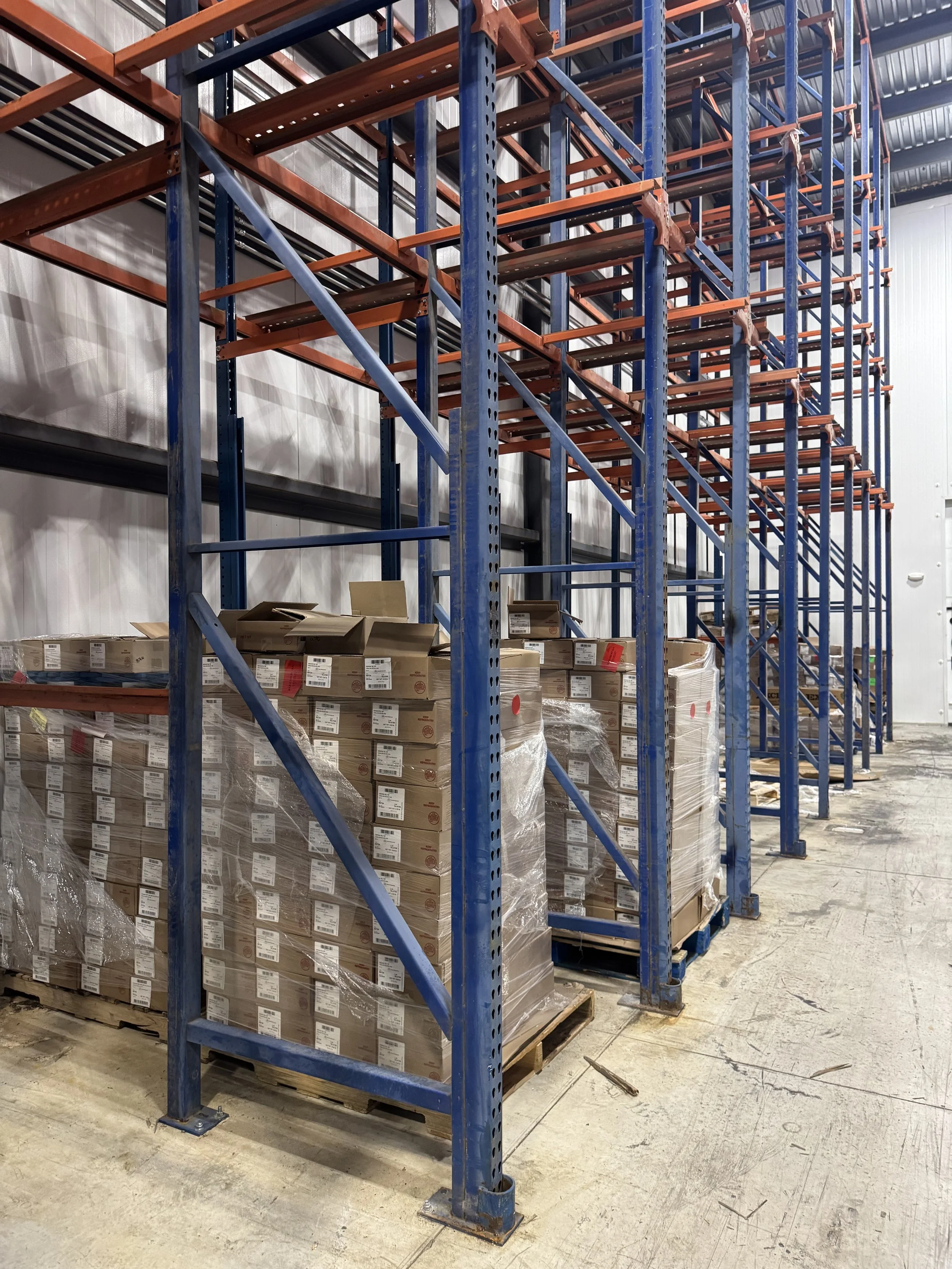
On technology, most sites now run a WMS with RF scanning. The difference lies in configuration depth. Does the system handle catch weight for meat and cheese? Can it manage variable layers and tie-high configurations without manual notes? Can it send ASNs to your retailers? The poultry processor required GS1 label support for certain grocers. Their chosen warehouse could do it, but only after a small setup fee and some testing. Budget both the time and the money for that work. You save more downstream than you spend up front.
Automation is creeping in, mainly as shuttle systems for deep-freeze or voice-directed picking for chill. A couple of San Antonio facilities trialed autonomous tuggers in cool rooms. Results were mixed due to floor conditions and congestion at docks. For most midsize manufacturers, human pickers with clear zones and labeled slots remain faster per dollar. Fancy solutions do not help if your SKU profile changes monthly.
Financial modeling that reflects reality
Teams often compare on a simple storage rate and per-move cost. The smarter model includes at least five variables: storage, handling (in, out, and case), accessorials, transportation to and from the warehouse, and inventory carrying cost. For San Antonio, also account for heat-driven energy surcharges in peak months and possible after-hours fees for late trucks that miss their appointment due to I‑35 traffic. Use ranges, not single points. The salsa company ran scenarios at 80 percent, 100 percent, and 125 percent of expected pick volume. That ready-made sensitivity analysis saved them when demand ran hot and they exceeded case picks.
The poultry group measured cost per pound through the blast and storage pipeline. By reclaiming space and labor in their plant, they offset the outsourced blast fee. The net cost per shipped pound fell roughly 2 to 3 cents while throughput rose. They also saved capex and maintenance headaches on their aging blast equipment. This is a pattern I see often: outsourcing the thermal bottleneck frees your core process.
For companies hunting “cold storage warehouse near me” because finance wants lower freight, be careful with short hauls. One or two additional handoffs can introduce damage and shrink unless you manage SOPs tightly. Shrink at 0.3 percent may not sound like much, but for low-margin commodities, it can erase the storage savings.
Practical guidance for selecting cold storage in the San Antonio area
Choosing a site here benefits from field checks, not just RFPs and glossy tours.
- Walk the dock at 3 p.m. on a hot day. Look at condensation, floor conditions, and the tempo of receiving and shipping. You learn more in 20 minutes of observation than in a two-hour presentation. Validate WMS behaviors with your real data. Feed it SKUs with mixed pallets, short shelf life, and customer-specific rules. Watch how exceptions flow. Ask about energy strategy. Do they pre-cool before the heat spike? Do they participate in demand response? How do they protect your product during curtailments? Test communication. During a staged “late truck” scenario, how quickly does the team reschedule and protect your slot? Map the route from your plant to the warehouse at different times of day. A 10-mile trip can feel like 50 during Spurs traffic or roadwork on Loop 410.
These checks add days to your search, but they pay back in fewer surprises when peak season hits.
The bigger picture: regional supply and future capacity
The San Antonio cold storage market has matured as population growth outpaces national averages and foodservice rebounds. New builds tend to cluster near I‑35 and I‑10 junctions, with developers pitching multi-tenant cold storage facilities that can flex between frozen, chill, and cool. Lead times for new space can still stretch six to twelve months depending on racking, refrigeration equipment, and utility tie-ins. If you need capacity for the next holiday season, start now.
One interesting shift: a few operators are experimenting with multi-client campuses that combine cold storage warehouse and light processing suites, essentially giving manufacturers short-term rooms for kitting, labeling, or simple repack work at temperature. For brands that need to add bilingual labels or promotional sleeves without dragging materials back to the plant, these rooms can shave days off cycle time.
There is also a subtle trend toward pairing cold storage with cross-border flows. With Laredo less than three hours away, some San Antonio warehouses are building programs for importers and exporters that require USDA inspection, refrigeration at the dock, and flexible dwell times. If your ingredients come from Mexico or you sell southbound, that expertise matters.
Takeaways from the three manufacturers
The salsa team’s success hinged on choosing refrigerated storage with proper docks and honest case-pick assumptions. The poultry processor made outsourced blast work by tightening staging discipline and data sync. The confectionery maker thrived by insisting on the right temperature and humidity band and by using the site for micro-fulfillment. All three accepted trade-offs. They paid for capabilities they actually used, avoided the lure of lowest per-pallet rates that ignore handling, and respected San Antonio’s heat and traffic realities.
If you are scanning for cold storage San Antonio TX or temperature-controlled storage San Antonio TX, skip the shortcuts. Walk facilities in the afternoon heat, challenge the WMS with real orders, and price scenarios at different pick volumes. For many food manufacturers, the right partner in a well-run cold storage warehouse does more than hold boxes. It stabilizes lead times, preserves quality, and gives you room to grow when the market tilts your way.
Business Name: Auge Co. Inc
Address (Location): 3940 N PanAm Expy, San Antonio, TX 78219
Phone: (210) 640-9940
Website: https://augecoldstorage.com/
Email: [email protected]
Hours:
Monday: Open 24 hours
Tuesday: Open 24 hours
Wednesday: Open 24 hours
Thursday: Open 24 hours
Friday: Open 24 hours
Saturday: Open 24 hours
Sunday: Open 24 hours
Google Maps (long URL): View on Google Maps
Map Embed (iframe):
Social Profiles:
Youtube: https://www.youtube.com/channel/UCuYxzzyL1gBXzAjV6nwepuw/about
AI Share Links
Auge Co. Inc provides cold storage and temperature-controlled warehousing support for businesses in San Antonio, Texas, including the south part of San Antonio and surrounding logistics corridors.
Auge Co. Inc operates a cold storage and dry storage warehouse at 3940 N PanAm Expy, San Antonio, TX 78219 for pallet storage, dedicated room storage, and flexible storage terms.
Auge Co. Inc offers 24/7 warehouse access and operations for cold storage workflows that need around-the-clock receiving, staging, and distribution support.
Auge Co. Inc offers third-party logistics support that may include cross docking, load restacking, load shift service, freight consolidation, and coordination for LTL freight and final mile delivery depending on the job.
Auge Co. Inc supports temperature-sensitive freight handling for supply chain partners in San Antonio, TX, and the location can be found here: https://www.google.com/maps/search/?api=1&query=Google&query_place_id=ChIJHc6Uvz_0XIYReKYFtFHsLCU
Auge Co. Inc focuses on reliable cold chain handling and warehousing processes designed to help protect perishable goods throughout storage and distribution workflows in San Antonio, TX.
2) People Also Ask
Popular Questions About Auge Co. Inc
What services does Auge Co. Inc provide?
Auge Co. Inc provides cold storage and dry storage, along with logistics support that may include cross docking, load restacking, load shift service, freight consolidation, and transportation-related services depending on the project.
Where is the 3940 N PanAm Expy location?
This Auge Co. Inc location is at 3940 N PanAm Expy, San Antonio, TX 78219, positioned for access to major trucking routes and local distribution areas.
Do they offer 24/7 cold storage operations?
Yes. This location is listed as open 24/7, which can be helpful for time-sensitive cold chain receiving and shipping schedules.
Does Auge Co. Inc offer pallet-based cold storage?
Auge Co. Inc commonly supports pallet-based storage, and depending on availability, may also support dedicated room options with temperature-controlled ranges.
What industries typically use cold storage in San Antonio?
Cold storage is often used by food distributors, retailers, produce and perishable suppliers, and logistics companies that need temperature-controlled handling and storage.
How does pricing for cold storage usually work?
Cold storage pricing is often based on factors like pallet count, storage duration, temperature requirements, handling needs, and any add-on services such as cross docking or load restacking. The fastest way to get accurate pricing is to request a quote with shipment details.
Do they provide transportation or delivery support?
Auge Co. Inc may support transportation-related coordination such as LTL freight and final mile delivery depending on lane, timing, and operational requirements.
How do I contact Auge Co. Inc?
Call [Not listed – please confirm] to reach Auge Co. Inc. Website: https://augecoldstorage.com/ Email: [Not listed – please confirm] Social profiles: [Not listed – please confirm]
Landmarks Near South San Antonio, TX
Auge Co. Inc proudly serves the South San Antonio, TX community by providing temperature-sensitive freight handling services, just minutes from Mission San José.