Finding a dependable cross docking partner is less about buzzwords and more about rhythm. When cross docking works, inbound and outbound trucks feel synchronized, drivers turn quickly, and inventory spends minutes in a facility rather than days. When it falters, detention fees pile up, customers complain about late deliveries, and planners end up babysitting pallets. I’ve stood on dock floors at 3 a.m. watching the difference. The best sites move freight with quiet confidence and a short list of measurable habits. If you are searching for cross docking services near me, including options in Texas markets such as a cross dock warehouse San Antonio TX or a cross dock facility San Antonio TX, the right choice comes down to a mix of location, process discipline, labor quality, and technology that actually helps instead of getting in the way.
What cross docking is really for
Cross docking is not just a warehouse shortcut. It is a flow-through strategy: unload inbound, sort or stage by outbound destination, then reload, often within two to six hours. The payoff is speed and cost control. You shrink carrying costs, cut dray and storage, and protect service when inventories are tight. But cross docking only earns its keep when your freight profile fits. High-velocity SKUs, steady order patterns, full-pallet or case-level picks with minimal touches, and predictable carrier arrivals make a cross dock shine. Exception-heavy, one-off orders with dozens of line changes and long dwell windows strain the model.
Shippers with store replenishment, e-commerce transfer points, regional consolidations, and import transloads see the clearest benefits. I’ve seen retailers keep seasonal resets on schedule by transloading ocean containers to domestic trailers in a single shift, then pushing those loads to stores within 24 hours. I’ve also watched cross docks struggle when product data was wrong by a few cartons, or when two carriers missed their windows and a third had to leave for HOS reasons. The method demands harmony. You mitigate chaos with tight SOPs, accurate data, and a facility sized to absorb short bursts without collapsing.
Location beats almost everything else
When evaluating a cross dock warehouse near me, start with the map. The strongest operations live near major freight corridors, intermodal ramps, and customer clusters. A cross dock warehouse in San Antonio, for instance, sits at an important junction that serves interstate lanes north-south and east-west. If your freight flows include Mexico-origin goods or Texas distribution, a cross dock facility San Antonio TX can shave half a day from transit and let you sequence outbound loads to Dallas, Houston, Austin, or the I-35 corridor.
The “near me” part matters for more than convenience. Close proximity to your inbound lanes reduces dray or bobtail deadhead, cuts detention risks, and gives you a buffer when truck arrivals slip. I usually draw a 20 to 40 mile radius around critical origin or delivery points and test scenarios: What happens to cycle time if a truck hits traffic or a border delay? How many carriers could reliably serve that facility on short notice? A site that looks slightly more expensive per pallet might save you thousands per month in reduced dwell and tighter appointment adherence.
What separates a reliable cross dock from a pretender
Facilities can look alike on paper: multiple dock doors, forklifts, WMS, climate zones, yard space. The difference shows up in the cadence of their operations. Watch for three things when you tour.
First, appointment discipline. Do they plan dock schedules in 15 to 30 minute increments and enforce them, or do trucks stack up at random? Look at yesterday’s log. A pattern of on-time arrivals and documented exceptions is a green flag.
Second, material flow. Ask them to walk you from inbound door to outbound staging. Are there clear lanes, visual controls, and short, direct paths? If you see pallets backtracking or crossing forklift paths repeatedly, expect congestion during peak hours.
Third, problem handling. Every cross dock faces damaged product, ASN mismatches, and drivers who show up early or late. Find out how they quarantine damages, how they reconcile counts without freezing the dock, and how they communicate changes to you in real time. You want pragmatic answers, not slogans.
Technology supports each of these. A competent cross docking services provider needs a WMS that handles ASN receipts, license plates or pallet IDs, RF scanning, and outbound load planning. EDI or API links should push arrival notices, receipts, and load confirmations into your TMS or order system. But the focus belongs on outcomes. If they promise a fancy control tower yet cannot show a simple on-time unload metric, treat that as a warning.
Matching service scope to your freight profile
Cross docking comes in flavors. Some shippers need pure door-to-door flow cross dock warehouse san antonio tx with no storage, others need temporary hold for a day when outbound appointment windows open. You might require transload from ocean containers into 53-foot trailers or consolidation of mixed LTL shipments into a truckload. Be explicit about the mix.
If you run frequent store deliveries with stable planograms, case-level pick and staging by route is efficient. If you handle seasonal imports, expect surge capacity and flexible labor that can run two or three shifts for short bursts. Food and beverage firms need temperature control, seal integrity, and sometimes FDA or SQF-compliant handling. Automotive and industrial freight puts a premium on sequencing and part number accuracy. Each condition affects dock layout and staffing. A provider accustomed to floor-loaded imports will own more conveyors and build-out space. A provider that thrives on palletized retail freight will invest in fast label printing, RF guns, and high-visibility staging lanes.
When you speak with a cross dock facility, bring your lane data, average and peak volumes, SKU counts, packaging types, and exception rates. The best operators will run a capacity model that factors number of concurrent doors, touches per pallet, and labor start times. I like to see a simple heat map of the week showing forecasted arrivals and required headcount per hour. If they cannot produce it, they are guessing.
San Antonio, TX: strengths and caveats
San Antonio occupies a strategic place for cross docking services. It is close to Laredo and Eagle Pass border crossings, within reach of major Texas metros, and connected by I-35 for northbound flows. Shippers moving Mexico-manufactured goods often choose a cross dock warehouse San Antonio TX to deconsolidate mixed inbound trucks into destination-specific trailers. I’ve seen maquila suppliers shave 8 to 12 hours from cycle time by staging in San Antonio rather than pushing all the way to Dallas before sorting.
Weather rarely interrupts operations, and real estate costs are generally more forgiving than Austin or Dallas. Labor availability is decent, with a workforce accustomed to bilingual documentation and customs-adjacent requirements. On the other hand, border volatility can ripple into San Antonio yards. When bridge wait times spike or southbound equipment balances shift, chassis and trailer availability may tighten for a day or two. A reliable cross dock facility San Antonio TX will keep spare trailers, maintain relationships with several local carriers, and monitor CBP and bridge updates to throttle appointments intelligently.
If you are evaluating cross docking services San Antonio for e-commerce or retail replenishment beyond Texas, consider where your parcel or LTL networks hand off. A San Antonio site can feed multiple hubs, but if your largest customer DCs sit east of Houston or north of Oklahoma City, you might split volume between San Antonio and a second node to avoid backtracking.
The four numbers that predict real performance
Beneath the tours and proposals, a small set of metrics will tell you whether a cross dock keeps promises. Ask for rolling 90-day data and definitions.
- Average door-to-door dwell time for cross docked pallets. Under two hours is strong for palletized freight. Four hours can be acceptable during peaks if planned. Unload-to-load touch accuracy. Measured by pallets or cases, you want 99.5 percent or better. Lower accuracy costs more than it seems because each exception consumes planner time and delays outbound trucks. Appointment adherence for both inbound and outbound. Track percent on-time arrivals and percent on-time loads. If a site cannot show both, opportunistic blame will follow whenever things slip. Damage and claim rate per thousand pallets. Industry ranges vary, but you should expect a low single-digit per 10,000 pallets on well-packaged goods. If they handle floor-loaded cartons often, ask how they pad and band mixed pallets.
These four, viewed together, reveal capacity stress, labor discipline, and the quality of handoffs between your systems and theirs.
Labor makes or breaks the model
Forklift drivers and leads decide whether freight flows or clogs. Reliable cross docking services invest in cross-training so a driver unloading inbound can switch to outbound staging when arrivals die down. Pay attention to shift structure. Does the site run a staggered schedule so a fresh team catches late-afternoon inbound and early-evening outbound? Do supervisors demonstrate situational awareness, moving people toward bottlenecks without being asked?
Turnover is a sensitive indicator. Warehouses with constant churn rarely keep their accuracy high. Ask for average tenure of leads and the percentage of temp labor during peak months. Temp labor is not inherently bad, but the provider should have a fast on-ramp with practical tests: scan, count, verify, wrap, and load to a checklist that fits your freight.
Safety practices also predict throughput. Clean aisles, marked pedestrian lanes, working dock plates, and staged stretch wrap at the right intervals reduce micro delays and injuries. I have yet to see a sloppy dock keep service consistent through a heavy week.
Data quality and the boring plumbing that saves hours
Cross docking needs good ASNs like trucking needs fuel. Your advance ship notices should include SKU, case or pallet counts, weights, and NMFC where relevant. The cross dock’s WMS should receive that data well before trucks arrive, generate pallet or license plate labels, and plan outbound loads by route, stop sequence, or carrier requirements. When ASNs are wrong, the system must flag discrepancies and route them for decision without stopping everything. The best sites run mini control loops: scan variance, auto-create an exception task, quarantine or rework, then push an alert to your planner with a simple yes or no decision.
Expect EDI 214 or API equivalents for status, plus 944/945 or a comparable pair for receipts and shipping notices if you integrate tightly. Smaller operations may rely on portal uploads. If they do, verify that files land with time stamps and that staff review a dashboard, not an inbox. The goal is the same: no surprises at 5 p.m. when your outbound carrier asks if the freight is ready and the dock says the receipt never posted.
Capacity planning and the ugly week test
Every cross dock has a week where everything arrives late, the weather spits rain, and a customer moves a promotion forward by two days. I ask providers to walk through that ugly week. How many doors flex from inbound to outbound? Where do they stage overflow? Which managers call the audible to add a shift, and how fast can they get seven more certified drivers? Do they maintain a bench of part-timers for these spikes?
If they have thought through these questions, you will hear specifics. A yard map with numbered trailer spots. A list of carriers willing to provide spot power with two hours notice. A documented path to shift from case pick to pallet cross dock if orders spike. If the answers are vague, they might run fine on blue-sky days, then stumble when you most need them.
Pricing structures that encourage the right behavior
Cross docking services come with several common pricing models. You will see per-pallet or per-case handling rates, per-load flat fees, and surcharges for labeling, stretch wrapping, or rework. Storage, if allowed, is usually a separate daily rate per pallet position. Detention and after-hours fees are where surprises hide.
I prefer a structure that aligns with speed and accuracy. A fair per-pallet rate that includes standard labeling and a clear band for peak hours beats a lower headline rate that nickel-and-dimes exceptions. Ask for a schedule of surcharges in writing: appointment no-shows, late arrivals, reschedules inside a cutoff window, and emergency loads created within a set number of hours. Then compare those costs to your lane patterns. If you know 15 percent of your inbound will arrive after 6 p.m., bake that into the scenario, not as an afterthought.
For sites in high-demand areas like a busy cross dock facility in San Antonio, availability during peak retail seasons can carry premiums. Lock in capacity early or commit a baseline volume in exchange for protected door time. Volume commitments help both sides plan labor, which is the real cost driver.
Site visits that see past the polished conference room
A good tour tells you more than a PDF. Show up at the beginning of a shift change or during a known busy window. Watch how fast paperwork clears. Note how long a truck waits after bumping a door before a forklift touches the first pallet. Look at the whiteboard or digital display for dock assignments. The best ops run on visible information. Ask a random lead to explain today’s bottleneck. If they give a precise answer and a plan, you are in capable hands.
Talk to drivers in the yard. They will tell you how detention shakes out and whether appointments are honored. If you hear consistent grumbling about waiting or unclear instructions, believe them.
When a cross dock is the wrong tool
Not every operation benefits from cross docking. If your orders are highly variable, lines per order are high, and demand whipsaws week to week, a small forward stocking location or a traditional DC with faster picking might outperform a cross dock. If your carriers refuse flexible windows and arrivals scatter across the clock, you will spend more on labor and detention than you save. Temperature-sensitive goods without a stable cold chain also complicate matters unless the facility maintains strict dock-to-stock temperature controls and quick pass-through.
Be honest about your data maturity. If you cannot produce accurate ASNs or standard labels, you will either pay the cross dock to fix your data daily or suffer delays. Sometimes, the right first step is upstream cleanup rather than a shiny new facility.
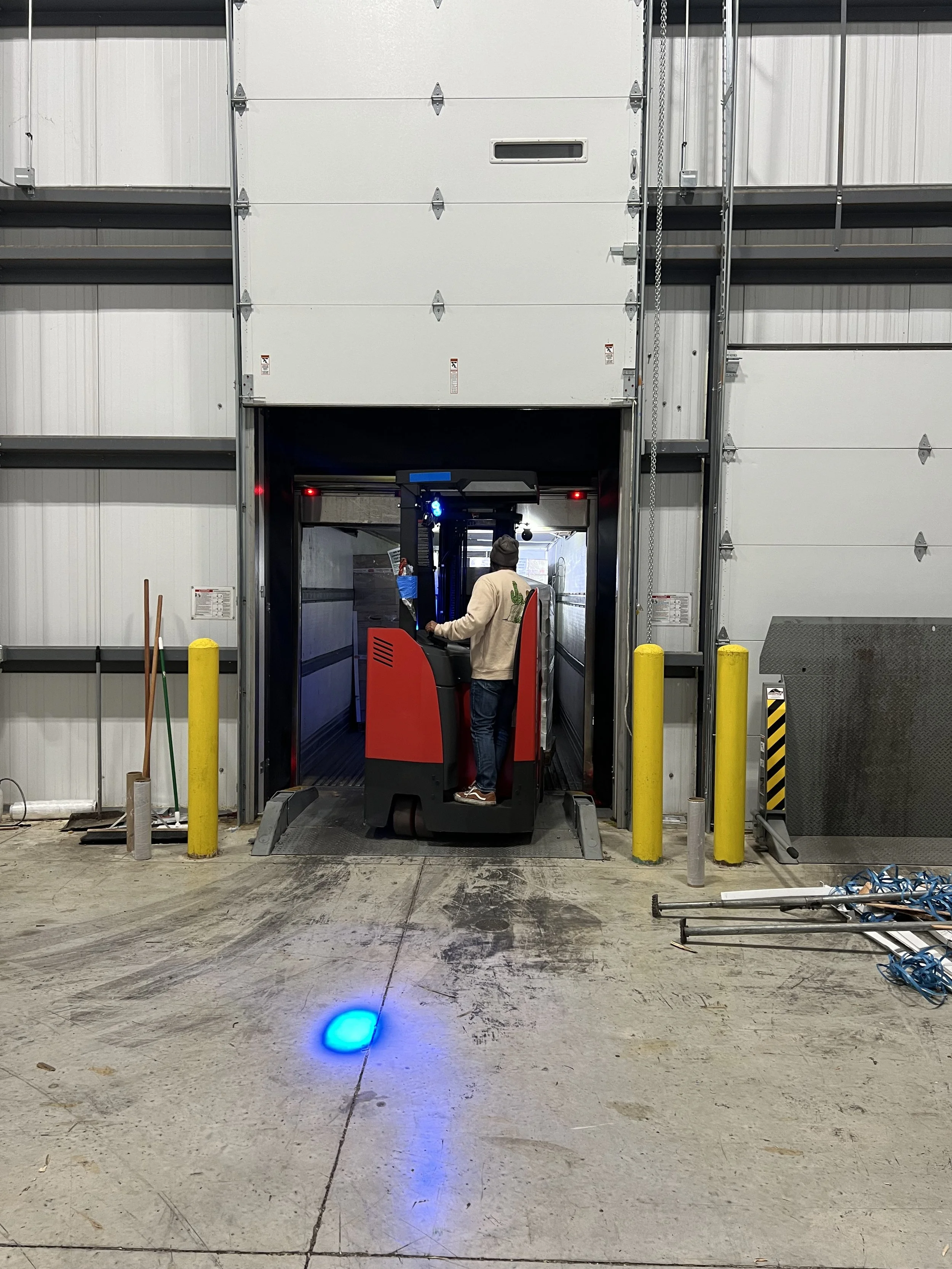

Practical steps to select a partner
Here is a concise checklist that keeps selection grounded in facts rather than promises.
- Map lanes and volumes, including peaks, and define the freight profile by packaging and touch level. Shortlist three to five cross docking services near me based on location fit, then request 90-day metrics and SOPs. Visit at a busy hour, walk the material flow, and speak with supervisors and drivers about appointment adherence. Run a two-week pilot or shadow period with live freight and measure dwell, accuracy, and exception handling. Negotiate pricing tied to service metrics, with clear rules for surcharges and protected capacity during peaks.
San Antonio case notes from the floor
A consumer electronics importer I worked with moved from scattered cross docks in Austin and Laredo to a single cross dock warehouse in San Antonio. Their imports landed at Houston and were drayed inland. They used to stage electronics for 24 to 48 hours before sending mixed loads to 200 plus retail stores across Texas and Oklahoma. By shifting to a true flow-through model in San Antonio and tightening ASNs, they cut average dwell from 26 hours to under four. Shrink dropped by half because staging areas were smaller and better supervised. The biggest lift came from route design: outbound loads left by 8 p.m., hit store windows by morning, and avoided overtime unloading.
Another shipper running perishables tried to use the same facility and struggled. Their suppliers delivered with inconsistent case counts and no standard pallet build. Every load became a rework job. The cross dock billed fairly for the extra touches, but service suffered and costs rose. The fix was upstream: standardize case packs, enforce pallet specs, and add a pre-cool step at origin. After that, the same San Antonio cross dock hit 98 percent on-time for them too.
These examples underline a simple truth. A strong facility amplifies good habits and exposes weak ones. Choose the right partner, then meet them halfway with clean data and realistic windows.
What to expect during the first 30 days
The opening month sets the tone. Volume should start modestly, a subset of lanes or customers that represent your typical mix. Agree on success thresholds by week, not vague “go-live” promises. Week one might target accurate ASN ingestion and basic door cadence. Week two adds real-time exception alerts. Week three introduces multi-stop outbound consolidation. By week four, both teams should know the rhythm, and your planners should trust the timestamps coming from the WMS.
Plan for a daily 15-minute standup during the first two weeks, then shift to twice weekly. Keep a shared log of exceptions with root cause and a one-line fix. The goal is not zero exceptions, it is to prevent repeats. Reflect SLA performance every Friday and adjust labor or appointment windows quickly. A measured, steady ramp works better than a dramatic big-bang start.
Telltale signs you picked well
The right cross docking services provider will make your life quieter. Emails get shorter. Drivers stop calling from the gate. Planners focus on exceptions, not chasing routine updates. Rate disputes shrink because time stamps and photos settle questions before they become arguments. You will notice a stable pattern in your TMS: loads ready earlier, fewer reschedules, cleaner scorecards. If, after a month, your team spends less time babysitting freight, you found a reliable partner.
If it goes the other way and you are trapped in long email chains about counts and cartons, step back. Review the four core metrics, walk the dock again, and decide whether the issues stem from your data, their process, or both. Good partners will lean into fixes and show momentum within a week. If not, do not hesitate to move on.
Bringing it together
Choosing cross docking services near me is part gut, part data. Stand on the dock and feel the pace, then look at the numbers that prove it holds day after day. Favor a location that genuinely fits your lanes, whether that is a cross dock warehouse near me for local deliveries or a cross dock facility in San Antonio TX to anchor Texas and cross-border flows. Demand clarity on appointments, dwell, accuracy, and claims. Align pricing to behavior that protects speed and quality. Then pilot thoughtfully, adjust quickly, and lock in the rhythm that keeps your freight moving.
The payoff is not abstract. It shows up as fewer emails after 5 p.m., steadier carrier relationships, and customers who receive product when they expect it. Cross docking is a simple idea made difficult by the real world. The right partner makes it feel simple again.
Business Name: Auge Co. Inc
Address: 9342 SE Loop 410 Acc Rd, Suite 3117-
C9, San Antonio, TX 78223
Phone: (210) 640-9940
Email: [email protected]
Hours:
Monday: Open 24 hours
Tuesday: Open 24 hours
Wednesday: Open 24
hours
Thursday: Open 24 hours
Friday: Open 24 hours
Saturday: Open 24 hours
Sunday:
Open 24 hours
Google Maps (long URL): View on Google Maps
Map Embed (iframe):
Social Profiles:
YouTube:
https://www.youtube.com/channel/UCuYxzzyL1gBXzAjV6nwepuw/about
Auge Co. Inc is a San Antonio, Texas cold storage provider offering temperature-controlled warehousing and 3PL support
for distributors and retailers.
Auge Co. Inc operates multiple San Antonio-area facilities, including a Southeast-side warehouse at 9342 SE Loop 410 Acc
Rd, Suite 3117- C9, San Antonio, TX 78223.
Auge Co. Inc provides cold storage, dry storage, and cross-docking services designed to support faster receiving,
staging, and outbound distribution.
Auge Co. Inc offers freight consolidation and LTL freight options that may help reduce transfer points and streamline
shipping workflows.
Auge Co. Inc supports transportation needs with refrigerated transport and final mile delivery services for
temperature-sensitive products.
Auge Co. Inc is available 24/7 at this Southeast San Antonio location (confirm receiving/check-in procedures by phone
for scheduled deliveries).
Auge Co. Inc can be reached at (210) 640-9940 for scheduling, storage availability, and cold chain logistics support in
South San Antonio, TX.
Auge Co. Inc is listed on Google Maps for this location here: https://www.google.com/maps/search/?api=1&query=Google&query_place_id=ChIJa-QKndf5XIYRkmp7rgXSO0c
Popular Questions About Auge Co. Inc
What does Auge Co. Inc do?
Auge Co. Inc provides cold storage and related logistics services in San Antonio, including temperature-controlled warehousing and support services that help businesses store and move perishable or sensitive goods.
Where is the Auge Co. Inc Southeast San Antonio cold storage location?
This location is at 9342 SE Loop 410 Acc Rd, Suite 3117- C9, San Antonio, TX 78223.
Is this location open 24/7?
Yes—this Southeast San Antonio location is listed as open 24/7. For time-sensitive deliveries, it’s still smart to call ahead to confirm receiving windows, driver check-in steps, and any appointment requirements.
What services are commonly available at this facility?
Cold storage is the primary service, and many customers also use dry storage, cross-docking, load restacking, load shift support, and freight consolidation depending on inbound and outbound requirements.
Do they provide transportation in addition to warehousing?
Auge Co. Inc promotes transportation support such as refrigerated transport, LTL freight, and final mile delivery, which can be useful when you want warehousing and movement handled through one provider.
How does pricing usually work for cold storage?
Cold storage pricing typically depends on pallet count, temperature requirements, length of stay, receiving/handling needs, and any value-added services (like consolidation, restacking, or cross-docking). Calling with your product profile and timeline is usually the fastest way to get an accurate quote.
What kinds of businesses use a cold storage 3PL in South San Antonio?
Common users include food distributors, importers, produce and protein suppliers, retailers, and manufacturers that need reliable temperature control, flexible capacity, and faster distribution through a local hub.
How do I contact Auge Co. Inc for cold storage in South San Antonio?
Call (210) 640-9940 to discuss availability, receiving, and scheduling. You can also
email [email protected]. Website: https://augecoldstorage.com/
YouTube: https://www.youtube.com/channel/UCuYxzzyL1gBXzAjV6nwepuw/about
Google Maps: https://www.google.com/maps/search/?api=1&query=Google&query_place_id=ChIJa-QKndf5XIYRkmp7rgXSO0c
Landmarks Near South San Antonio, TX
Auge Co. Inc is honored to serve the South San Antonio, TX community and provides cold storage warehouse options that can scale for short-term surges or longer-term programs.
Looking for a cross dock warehouse in South San Antonio, TX? Reach out to Auge Co. Inc near South Park Mall.